Simple Black Cat Graphic Design
A Clean Silhouette That Stitches With Quiet Confidence
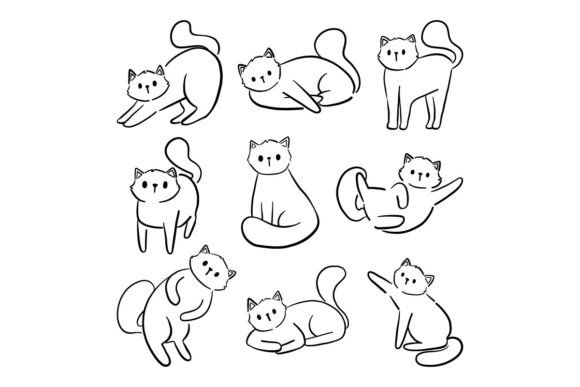
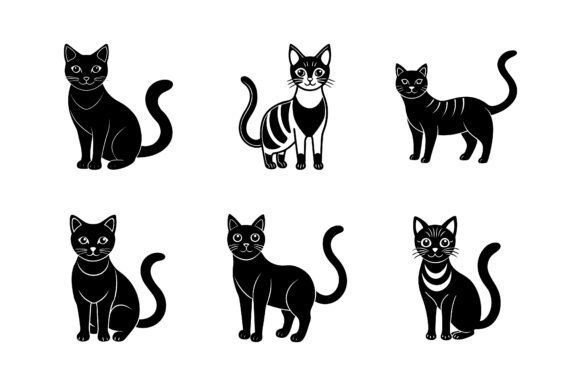
First impression? This isn’t a fussy, overly detailed cat — it’s a confident, fluid silhouette. The curves are smooth but not exaggerated; the pose feels grounded, relaxed, almost meditative. It leans into minimalism without sacrificing character — ears are distinct, tail has gentle taper, negative space around the shape breathes naturally. There’s no tropical clutter here, despite the product description’s mention of “tropical vibes.” What it *does* deliver is timeless, versatile calm — the kind that reads well on a linen tea towel, a baby onesie, or a small-batch boutique tote bag.
Where It Lives Best: Real Projects, Not Just Pixels
I tested Simple Black Cat Graphic Design as the centerpiece for a custom embroidered canvas tote — the kind sold at local craft fairs and styled in Instagram flat lays for small shop owners. Stitched in matte black thread on natural unbleached cotton, it held its shape beautifully. No feathering, no lost edges. The clean outline translated directly into crisp satin stitch borders, and the open interior allowed for light fill stitch or even strategic negative space (great for lightweight fabrics where heavy stitching adds stiffness).
It shines on sweatshirt embroidery — especially crewnecks and relaxed-fit hoodies — where bold, uncomplicated graphics read clearly from a distance. As a baby embroidery motif on organic cotton bibs or swaddle blankets, it feels gentle and modern, not cutesy or dated. On patches? Absolutely. Its strong outer contour stabilizes cleanly during cut-and-sew, and the lack of fine internal lines means fewer thread breaks during high-speed production.
Etsy sellers will appreciate how effortlessly it works in printable mockups: drop it onto a neutral background, add soft shadows, and you’ve got a cohesive, professional listing image — no extra design labor needed. For holiday embroidery, pair it with minimalist typography (“Meow & Merry”) on kitchen towels or pillow covers. It doesn’t shout — it invites quiet appreciation.
Where to Pause and Plan Ahead
This design isn’t magic on every surface. On stretchy knits like t-shirts or baby bodysuits, you’ll need medium-weight cutaway stabilizer — not just tear-away — to prevent puckering along that smooth outer curve. Thin fabrics like voile or rayon challis require extra care: test stitch density first. Too much fill can overwhelm the drape; too little risks a translucent, uneven look.
Dark fabric demands attention to thread contrast. A true black thread on charcoal heather may disappear — consider deep navy or charcoal-gray thread instead. And while the silhouette looks elegant on paper, avoid placing it near curved seams or cap crowns without testing hoop placement: that continuous outer line can distort if pulled across uneven tension zones.
Don’t force it into tiny hoops under 3” without checking detail integrity. Though simple, the ear tips and tail end are delicate — they’ll vanish if scaled below ~1.5 inches without adjusting stitch type or density. Also skip dense decorative accents (like heavy bullion or layered applique) unless you’re intentionally reworking the original vector — this design earns its value through restraint.
What It Adds to Your Finished Product — Beyond the Stitch
Simple Black Cat Graphic Design quietly elevates perceived value. Customers recognize clean execution — it signals intention, not haste. On personalized gifts, it feels thoughtful rather than generic. For craft businesses, it supports brand consistency: imagine it repeated subtly on packaging tags, woven into apron pockets, or stitched beside your shop name on staff uniforms.
It builds trust. When buyers see sharp, balanced embroidery — no skipped stitches, no fuzzy edges — they assume the same care went into construction, sourcing, and service. And because it’s not trend-dependent, it stays relevant across seasons: equally at home on spring nursery decor and cozy fall sweater patches.
That said, don’t assume it’s “plug-and-play” for every digital embroidery file use case. If you plan to sell finished embroidered items commercially, confirm licensing permits resale. If you’re bundling it into a digital product for other makers, verify whether redistribution rights apply. When in doubt, treat it like any professional design asset: respect its origin, understand its limits, and credit appropriately.
Practical Notes Every Embroidery Designer Should Run Through
- Always test on scrap fabric matching your final project’s weight, weave, and stretch.
- Check thread color contrast on both light and dark backgrounds — view in natural and artificial light.
- Review stitch density — reduce fill stitch count slightly for breathable fabrics or baby items.
- Confirm hoop size compatibility before digitizing or purchasing — some versions may be optimized for 4x4 or larger.
- Inspect small details at actual stitch-out size: do ear tips hold? Does the tail taper cleanly?
- Test black-and-white mockups to assess visual weight and balance without color distraction.
- Use appropriate stabilizer: cutaway for knits, tear-away for stable wovens, fusible for lightweight linens.
- Verify usage rights before selling finished products or bundling into commercial digital embroidery files.
Final Thought: Simplicity, Done Right, Is Anything But Simple
Simple Black Cat Graphic Design succeeds because it understands its role: it’s a tool, not a statement. It doesn’t compete with your craftsmanship — it highlights it. Whether you’re an Etsy seller stitching 10 custom sweatshirts a week or a hobbyist making a one-of-a-kind baby gift, this icon gives you reliable, elegant grounding. It won’t go viral — but it will sell steadily, stitch cleanly, and age gracefully. And in the world of embroidery design, that’s the highest compliment.