Cat Earrings Laser Engraving Files
A Designer’s First Glance: Charm Without Clutter
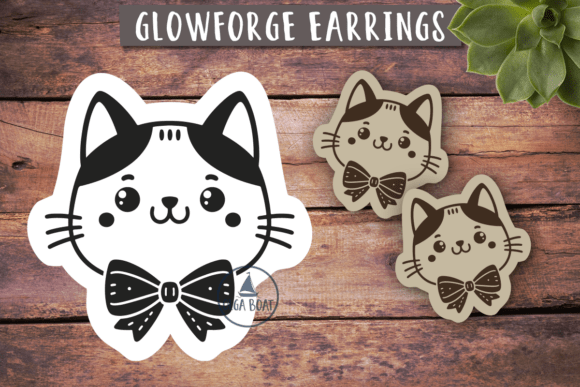
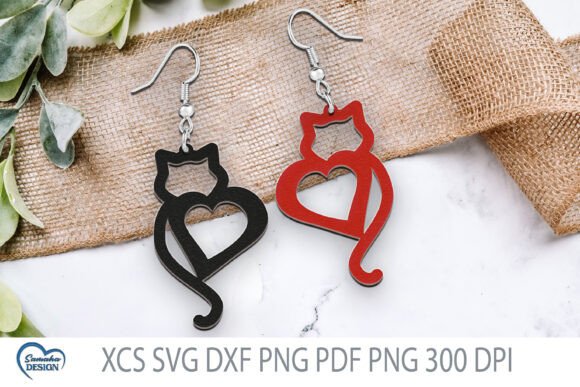
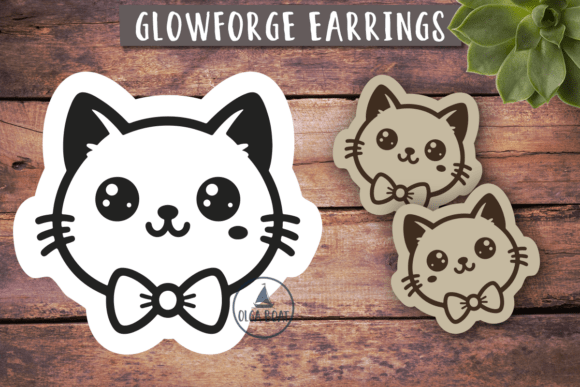
When I opened the Cat Earrings Laser Engraving Files, what struck me first wasn’t technical precision—it was personality. Clean lines, a gentle curve to the ears, soft negative space around the face—this isn’t a cartoon cat or a stylized mascot. It’s quiet, confident, and quietly clever. At 1 inch along the long side, it sits comfortably in that sweet spot between visibility and subtlety: large enough to read at a glance, small enough to nestle into a corner of a baby onesie or the brim of a linen cap. The mirrored reflection option is thoughtful—not just for symmetry on double-sided items, but for balancing visual weight across uneven surfaces like curved tote handles or tapered pillow covers.
Where This Design Earns Its Keep
I tested Cat Earrings Laser Engraving Files as part of a custom embroidered tote bag collection for a local boutique—think natural canvas, unbleached cotton, minimalist branding. We stitched it onto the lower right corner of each bag using a satin stitch outline with a subtle fill stitch interior. It held up beautifully: no thread pooling, no distortion on the slightly textured fabric, and the scale felt intentional—not an afterthought, not overwhelming. That same design later became a delicate embroidered patch on organic cotton aprons for a kitchen supply shop. Customers commented on how “it looked handmade, not printed”—a direct result of the clean contours and balanced proportions in the original file.
It also translated well to baby embroidery. Stitched in pale mint and ivory thread on a bamboo-blend receiving blanket, the cat retained its sweetness without reading as juvenile or overly cutesy. That’s rare. Many cat motifs tip too far into whimsy or abstraction—but this one lands with warmth and restraint. For holiday embroidery, we used it as a subtle motif on tea towels (paired with a tiny holly sprig from another design), and for wedding gifts, it appeared as a single embroidered detail on linen napkin corners—soft, personal, and quietly memorable.
Where Caution Meets Craft
That said, Cat Earrings Laser Engraving Files isn’t universally forgiving—and that’s okay. On highly stretchy fabrics like lightweight jersey or ribbed knit, the fine ear tips can blur if stabilizer choice or hooping tension isn’t dialed in. I recommend a medium-weight cutaway stabilizer for anything with movement, especially for sweatshirt embroidery or custom apparel meant for daily wear. On dark fabric, test thread contrast carefully: light grays or creams read well, but true white can look stark unless balanced with a tone-on-tone fill stitch.
Curved surfaces—like the front panel of a structured cap—require extra attention. The design’s simplicity helps, but don’t skip a test run on scrap fabric mounted in the same hoop configuration you’ll use for production. Tiny corners (like the inner curve where ear meets head) may need slight manual cleanup post-stitch if your machine’s jump stitch behavior is aggressive. And while the file scales well, pushing it much smaller than 0.75” risks losing definition in the ear shape—especially if you’re planning detailed applique design work or layered embroidery projects.
Real-World Impact on Your Finished Product
This isn’t just about stitching cleanly—it’s about how the final piece makes someone feel. A customer holding a tote bag with this cat feels like they’ve received something considered, not mass-produced. That perception lifts perceived value, supports premium pricing for small shop products, and builds trust with repeat buyers. For Etsy sellers and craft fair vendors, that subtle distinction matters: handmade product credibility hinges on design integrity as much as execution.
Visually, the Cat Earrings Laser Engraving Files support brand consistency without demanding it. It works equally well beside serif typography on a printable mockup or next to hand-drawn botanicals in a digital embroidery file bundle. Its neutrality means it doesn’t compete—it complements. And because it’s rooted in clean geometry rather than trend-driven illustration, it avoids dating quickly—a win for holiday embroidery collections or evergreen nursery decor lines.
What Every Embroidery Designer Should Do Before Stitching
- Test on scrap fabric first—especially if using textured, stretchy, or dark materials.
- Check thread color contrast in both natural and artificial light; some pastels vanish on ecru linen.
- Review stitch density manually if your software allows—dense fills may need adjustment for breathable fabrics like gauze or lightweight cotton.
- Confirm hoop size compatibility—while the design is compact, ensure your smallest hoop accommodates the full shape with seam allowance room.
- Inspect small details at 200% zoom: look for stray nodes or overlapping paths that could cause stitching hiccups.
- Test black-and-white mockups to assess silhouette strength—this design shines in monochrome.
- Compare performance on light vs. dark backgrounds before finalizing thread choices.
- Use proper stabilizer—cutaway for knits, tear-away for stable wovens, and avoid over-stabilizing sheer fabrics.
- Verify licensing terms before selling finished items or bundling the file in digital embroidery file packs—this is critical for commercial embroidery and digital product sellers.
Remember: even the most charming Cat Earrings Laser Engraving Files won’t compensate for rushed prep. But when paired with thoughtful execution, it becomes more than a motif—it becomes a signature touch. Whether you’re stitching a personalized gift, building a cohesive line of embroidered patches, or sourcing reliable design assets for your craft business, this file earns its place not through flash, but through quiet, consistent reliability.